It was not easy to write this review knowing that the author sadly passed away a couple of months ago. And it was not easy to read her book either.
The book described all the abuse that the author suffered from her childhood to her adolescence, when she was trapped in the circle of slavery created by Epstein and Maxwell. Despite all the horrible anecdotes the author describes, many positive aspects make this book relevant.
First, the author allows us to see the struggles of a victim during her abuse, but also allows us to see the different battles that a person with PTSD suffers. She also reminds us about something fundamental to anyone living with someone with trauma, that most survivors want to have a better life, they want to heal, recover and build a beautiful life surrounded by emotionally healthy people. Finally, Virginia, through her example, showed us that seeking justice can be extremely difficult, especially when dealing with influential people, but that it’s worth fighting for a more peaceful and fair world.
Another aspect of this book that I found meaningful is that its content is a reminder that, as humans, we should care more about the victims and survivors of sexual abuse and other horrendous crimes, and not only talk about the perpetrators. I personally think that, from an evolutionary perspective, it’s understandable that millions of humans use memes and social media posts with the hashtag “Epstein didn’t kill himself” to communicate their disagreement and skepticism towards the final destiny of this criminal.
However, different parts of the book remind us to care more about the victims, and that we should care more about mental health programs in helping people who are survivors of sexual abuse. And that we should care more about supporting civil initiatives, like Virginia’s, to help brave people who didn’t want to remain silent and raised their voice to bring to justice those who perpetuated such horrible crimes.
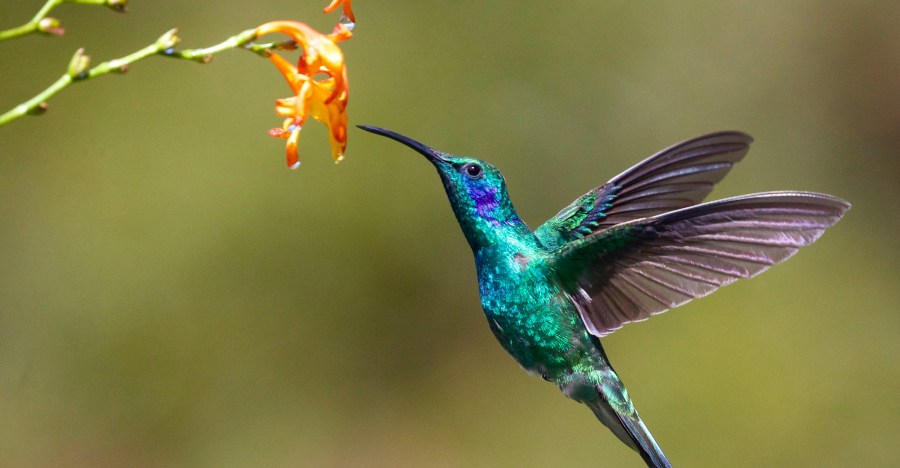
I wanted to avoid any images for this post, but I decided to use an image of a “Tsikiki” the Purepecha word for hummingbird. For the Purepecha, the Indigenous People of Michoacan, my homestate in Mexico, the hummingbird is a symbol of love, hope, prosperity, and a guide that helps people connect with their ancestors. I use the image of this bird as a symbol of the main message that Virginia shares in her book.
Its content can depress you immensely, but at the same time it will give you hope. Hope that among the brutal people are brave humans like Virginia, who decided to seek justice and fight for a fairer world. And that, with her bravery, inspired thousands of victims to do the same and create a safer world for women and their families.
I leave this book on my bookshelf with that message in my mind. Virginia brought hope with her example and her actions. And her legacy will continue to inspire survivors from all over the world. It was not easy to read her book, but it was necessary. Necessary to see the reality of sexual abuse, and that we should talk about it without embarrassment, but with complete maturity, compassion and bravery.
 Sapiens Lara