It was not easy to write this review knowing that the author sadly passed away a couple of months ago. And it was not easy to read her book either.
The book described all the abuse that the author suffered from her childhood to her adolescence, when she was trapped in the circle of slavery created by Epstein and Maxwell. Despite all the horrible anecdotes the author describes, many positive aspects make this book relevant.
First, the author allows us to see the struggles of a victim during her abuse, but also allows us to see the different battles that a person with PTSD suffers. She also reminds us about something fundamental to anyone living with someone with trauma, that most survivors want to have a better life, they want to heal, recover and build a beautiful life surrounded by emotionally healthy people. Finally, Virginia, through her example, showed us that seeking justice can be extremely difficult, especially when dealing with influential people, but that it’s worth fighting for a more peaceful and fair world.
Another aspect of this book that I found meaningful is that its content is a reminder that, as humans, we should care more about the victims and survivors of sexual abuse and other horrendous crimes, and not only talk about the perpetrators. I personally think that, from an evolutionary perspective, it’s understandable that millions of humans use memes and social media posts with the hashtag “Epstein didn’t kill himself” to communicate their disagreement and skepticism towards the final destiny of this criminal.
However, different parts of the book remind us to care more about the victims, and that we should care more about mental health programs in helping people who are survivors of sexual abuse. And that we should care more about supporting civil initiatives, like Virginia’s, to help brave people who didn’t want to remain silent and raised their voice to bring to justice those who perpetuated such horrible crimes.
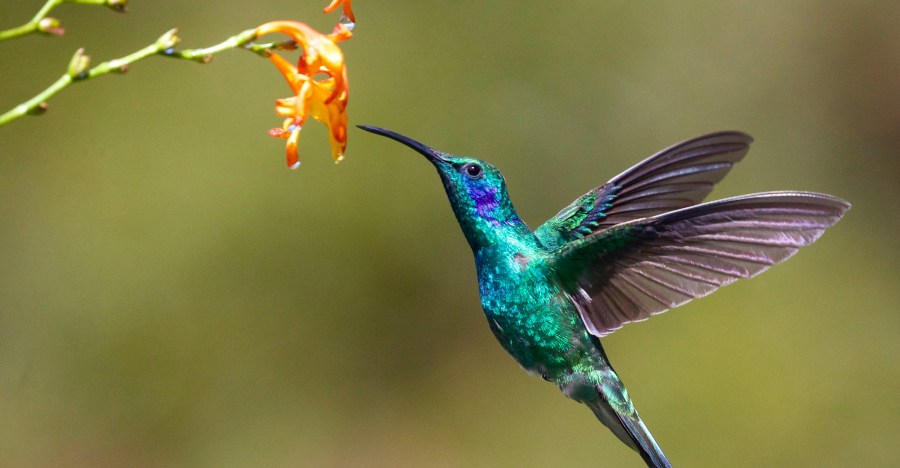
I wanted to avoid any images for this post, but I decided to use an image of a “Tsikiki” the Purepecha word for hummingbird. For the Purepecha, the Indigenous People of Michoacan, my homestate in Mexico, the hummingbird is a symbol of love, hope, prosperity, and a guide that helps people connect with their ancestors. I use the image of this bird as a symbol of the main message that Virginia shares in her book.
Its content can depress you immensely, but at the same time it will give you hope. Hope that among the brutal people are brave humans like Virginia, who decided to seek justice and fight for a fairer world. And that, with her bravery, inspired thousands of victims to do the same and create a safer world for women and their families.
I leave this book on my bookshelf with that message in my mind. Virginia brought hope with her example and her actions. And her legacy will continue to inspire survivors from all over the world. It was not easy to read her book, but it was necessary. Necessary to see the reality of sexual abuse, and that we should talk about it without embarrassment, but with complete maturity, compassion and bravery.
I was reading Mind Magic by clinical professor of neurosurgery at Stanford University, James Doty when I learned about Silvia Vasquez-Lavado’s fascinating story.
Silvia’s life story is one of those examples of the incredible capacity of humans to recover from adversities and become a powerful example of antifragility and perseverance. Silvia became an avid mountaineer, and by 2015, she already climbed Kilimanjaro in Tanzania, Mount Elbrus in Russia, Aconcagua in Argentina and Mount Kosciuszko in Australia. Interestingly, climbing mountains had a profound meaning for Silvia.
I learnt from Doty’s book that Silvia was a victim of childhood sexual abuse during her childhood in Peru, and the silence from her family towards it created a deep emotional and psychological wound on her. These wounds led her to substance abuse, depression and broken relationships with women in her twenties. Which, by the way, had to cover up her sexuality from her family.
Despite all these traumatic episodes, she became successful in high-tech Silicon Valley, a highly male-dominated environment. However, those neglected wounds were still affecting her. Finally, in 2005, her Mother invited her to a ceremony with Ayahuasca in her native Peru. During that ceremony, Silvia had a profound vision in which her younger self appeared to her and called her to walk together in a valley surrounded by mountains. This experience was meaningful and gave her a new sense of purpose.
In 2014, she decided to start a nonprofit called Courageous Girls to empower other young survivors of sexual abuse through mountaineering.
There’s a lot more to learn from Silvia’s inspiring life. I believe that she is an incredible example of a brave woman who, despite all the difficulties that she faced in different facets of her life, was capable of becoming more assertive and wiser. She became an inspiring example for many girls and women who were in similar traumatic situations and showed them that they had the inner power to surpass adversities.
While these lessons were learned during my time in the military, I can assure you that it matters not whether you ever served a day in uniform. Our struggles in this world are similar, and the lessons to overcome those struggles and move forward will apply equally to all
Those are the words of Admiral William H. McRaven during his speech to almost eight thousand students from the University of Texas in 2014. I chose to start this brief article with those words because every day, more people want to improve their lives and mental health by following the advice of wise military men, and still, there are people who keep asking why a civilian should invest time of their life reading a book wrote it by military veterans?
The answer to that predicament is found precisely in the practical and empowering advice of Admiral William H. McRaven, as shared in his engaging book “Make Your Bed.” This book, which I highly recommend, offers a straightforward approach to adopting healthy and necessary habits that can significantly improve our lives on this planet. It’s not just theory, but practical steps that you can take to improve your life. Because of the high popularity of videos on the Internet and literature about self-improvement, many authors encourage people to make their bed as their first task to complete at the beginning of their daily routines. Admiral McRaven explains the benefits of completing this task in his book. I also found other valuable lessons that harmonize with contemporary psychology to find a more meaningful life with ourselves and the rest of the world.
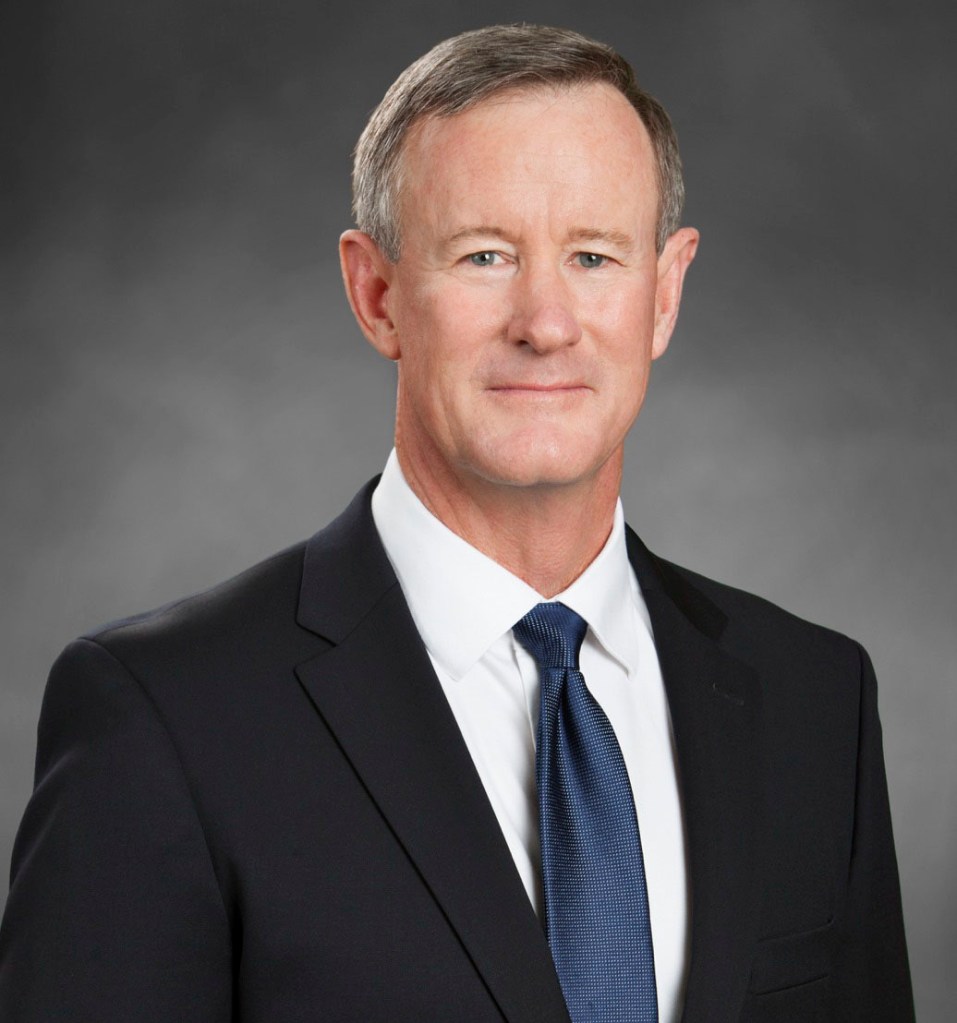
Admiral William McRaven. Photo by The University of Texas at Austin
For example, the author mentions the importance of creating purposeful relationships with other humans. This is an important lesson to remember, as we cannot deny the incredibly high sociability of our species. I also found different lessons that resonate with the concept of Antifragility (a property of systems in which they increase in capability to thrive due to stressors) developed by the author Nassim Nicholas Taleb. Although Admiral McRaven did not mention this concept at all, he gave us exciting examples that remind us that most of the time, we must accept feeling uncomfortable to achieve our aims. It was also emotional and meaningful to read the different stories of brave people he met during his military career. They are perfect examples of how life can throw us the most horrible tragedies, but we decide what kind of attitude we will adopt to face the different calamities we can find as human beings.
To conclude, “Make Your Bed” is a highly recommended book to anyone who wants to enjoy a light but profound reading about the lessons of a man built in the US Navy, but with a wise perspective about the human condition that can be applied to any person who wants to create a better life for themselves, and why not, to create a better world for everybody.
The first year of the pandemic was the beginning of my yoga journey, and since then I’ve become interested in the benefits of yoga. Now, as a graduate student in psychotherapy, I wanted to learn more about how yoga can help survivors of trauma reconnect with their bodies.
This desire and my wish to improve my life as a survivor myself made me get a copy of the book “The Body Keeps the Score” by Dr. Bessel Van Der Kolk. You can find a review I wrote about this title here. I was astonished to discover that the author wrote extensively about the power of yoga to help survivors heal and reconnect with their bodies. One of the books that Dr. Van Der Kolk recommends to learn more about this topic is called Overcoming Trauma Through Yoga, so I didn´t hesitate to get my copy.
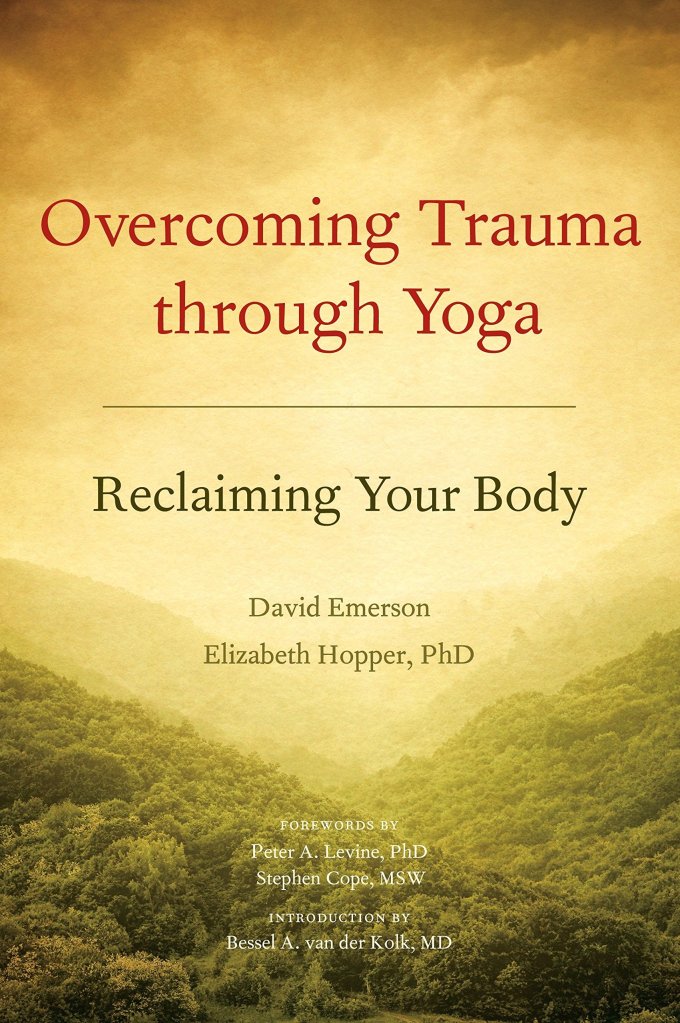
Overcoming Trauma through Yoga.
This book was written by Elizabeth Hopper, a clinical psychologist with more than fourteen years of experience working with survivors. and by David Emerson, a yoga teacher who worked with Dr. Van Der Kolk to create the Trauma Center Yoga Program. The book is ideal for survivors, yoga teachers, and therapists wishing to learn more about Trauma Sensitive Yoga.
One section of the book that stood out to me was about the importance of yoga teachers providing a safe space free of triggers for their students. Additionally, the authors emphasize the importance of appropriate language while guiding survivors in their yoga studios.
Another chapter of the book that I found fascinating was the guide for therapists to use yoga postures with their clients. This section has photos of different yoga postures that can be useful for therapists who want to include them in their sessions with survivors. The authors also explain in detail how to guide the person in becoming aware of their breath and body sensations. In addition, Emerson and Hopper also encourage readers, therapists, and survivors alike to try the postures by themselves at home so they can register how they feel in each posture.
Overall, I think this book is a good option for those hoping to learn more about Trauma yoga. Even though I was uneasy during the first few pages, where the authors discussed the changes in the brains of trauma survivors, in general, it´s an interesting and enjoyable book with plenty of useful information about the power of yoga to help survivors.
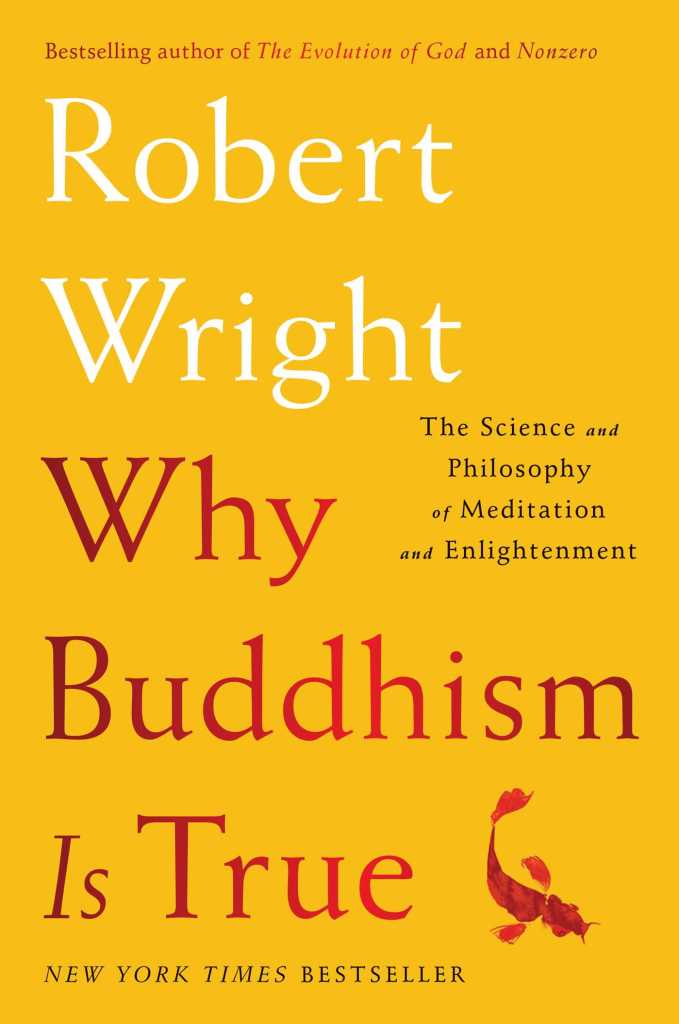
When people asked me which book has impacted me the most, I didn’t know how to respond because many books are meaningful to me and I didn’t want to pick one in particular. However, the content of the book ‘Why Buddhism is true’ by American writer Robert Wright has been so positive in my life that now I do not hesitate to respond that Wright’s book has been one of the most incredible books I’ve read.
I learned about Robert Wright’s work in Christopher Ryan’s books. Ryan is the co-author of ‘Sex at dawn’ and author of ‘Civilized to death’, where he wrote about one of Wright’s most famous books ‘The moral animal’. Intrigued by the title, I got my copy and since then I became a huge admirer of Wright’s literature. After I finished ‘The moral animal’, I found out that he had another popular book called ‘Why Buddhism is true’ and as I was starting to become more interested in Buddhism, I decided to also read that one.
It turned out to be a fascinating book about Buddhism, meditation, and Enlightenment. I’m so grateful to Robert Wright’s talent that decided to write this brief review to motivate anyone interested in discovering the benefits of Vipassana meditation and learn the basics of Buddhism, to get a copy of this inspirational book.
What makes this book fascinating?
Why Buddhism is true was published in 2017 and the first Simon & Schuster paperback edition was published in May 2018. The author, Robert Wright, is an American journalist who writes about science, religion, history, and politics. As mentioned above, he is also the author of other books such as ‘The moral animal’ (1994), Nonzero: The logic of human destiny (1999), and ‘Evolution of God’ (2009).
The book begins with a fascinating analysis of how natural selection has shaped our brains in thousands of years of evolution to behave in certain ways. I liked how he used a famous American film as an analogy to explain the influence of natural selection in our modern lives. Then, Wright writes about the perspectives of Buddhism and modern psychology on human emotions. One of the parts that I most enjoyed was a revolutionary theory about the human brain and how he brilliantly challenge the readers to change our perspective about the idea of the ‘self’.
Another meaningful part of the book was the anecdotes of the author when he met experienced teachers in Buddhism, and how they show us that despite the centuries, the wisdom of the Buddha remains as a path to achieve inner peace.
Personally, this book was important for me because it was my official contact with Buddhism’s history, concepts, and philosophy. The author brightly explains the basics of Buddhism for an audience without or with minimum experience in this religion and philosophical tradition. Finally, I appreciate that the author decided to share his personal experiences meditating, which reflects that he is not only a scholar of meditation but also includes it in his personal life.
To conclude, ‘Why Buddhism is true’ is a highly recommended reading for anyone who wants to start learning about Buddhism and meditation. The book will also challenge you to reconsider the way you see your mind and how you see the world itself.
Dogs and humans created a special bond 15,000 years ago, although some scientists believe that dogs’ domestication began between 20,000 and 40,000 years ago (Briggs, 2017). There’s no doubt that we have a special relationship with this species, and this relationship is so meaningful that sometimes we like to associate dog companionship with low levels of loneliness. But, do we have evidence that dog companionship helps to beat loneliness? First, let’s take a look at the concept of loneliness…
Loneliness is an involuntary separation, rejection, or abandonment by other humans (Cherry, 2022). This state of mind can produce different health issues such as cardiovascular disease, poor quality of sleep, and decrease viral immunity (Carlton, 2019). Sadly, loneliness became a popular topic during the pandemic of Covid-19, and because of this, more mental health practitioners are looking for different strategies to mitigate this problem. In this article, we’re going to learn from different publications to discover if having a dog can protect us against loneliness.
In one study published in Anthrozoos, the journal of the International Society for Anthrozoology, researchers Timothy A. Pychyl and Nikolina M. Duvall Antonacopoulus from Carleton University in Ottawa, Canada, analyzed the results of 132 pet owners and non-pet owners who completed an online survey about human social support, emotional attachment to pets, loneliness and depression. Contrary to the popular belief, their results show that pet owners and non-pet owners living alone didn’t have significantly different levels of loneliness (Antonacopoulus & Pychyl, 2010). However, they also found that dog owners with high levels of human social support were less lonely than non-owners with high levels of social support. These results demonstrate that owning a dog is an additional source of emotional support and also that meaningful human interaction is fundamental to beat loneliness (Duvall Antonacopoulus & Pychyl, 2010).
Years later, in 2017, Duvall Antonacopoulus published a longitudinal study about the changes in loneliness in people owning a dog over a period of 8 months. The researcher had two groups, the first group of 31 individuals who got a dog, and the second group of 35 non-dog owners. Duvall Antonacopoulus found out that the participants who had a dog were less lonely at 8 months than the other group. Primarily, because of the affection that the dog provides and for having the responsibility to look after another living being (Duvall Antonacopoulus, 2017).
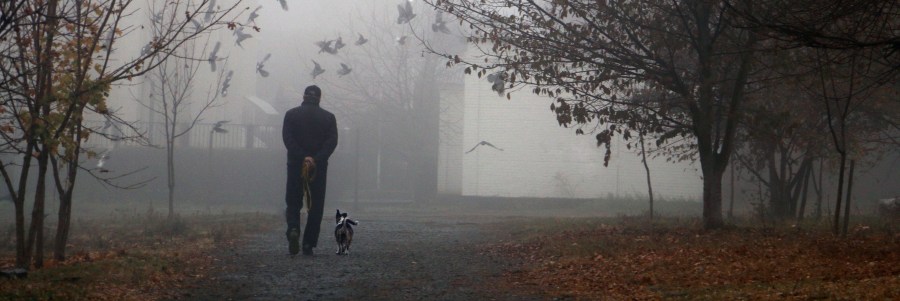
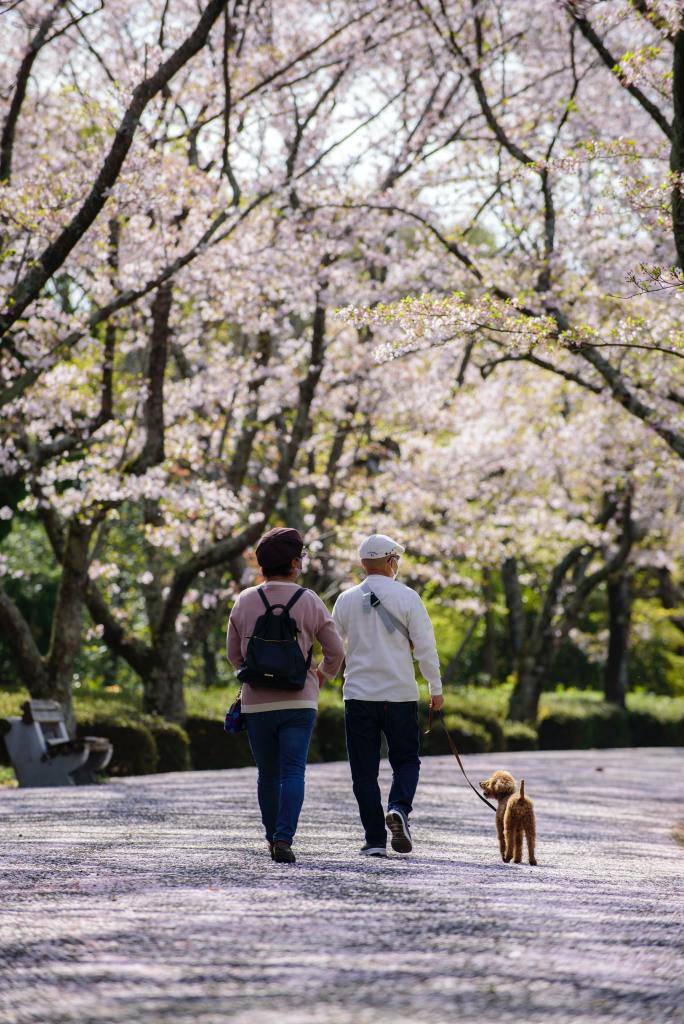
As mentioned above, loneliness became a common phenomenon in different countries, and this situation made different researchers investigate the benefits of owning a pet. For example, Oliva and Johnson (2020) from Monash University in Melbourne, made a study to know the experience of Australians living alone with and without a dog or a cat during the lockdowns due to Covid-19. Three hundred and eighty-four individuals answered an online survey about loneliness, mindfulness, and mood. The researchers discovered that dog owners declared that having a dog made isolation easier and that dog ownership significantly protects against loneliness. Another benefit that was found during this study, was that dogs encourage their humans to go outside for a walk and also that having a dog can make people socialize with other dog owners (Oliva & Johnson, 2020).
The elderly are vulnerable to social isolation and loneliness due to different factors such as the death of their spouse and friends, separation, and retirement (NHS, 2018). Because of this, researchers in different parts of the world want to know the benefits of owning a pet for this population. Hajek and Koning (2019) from University Medical Center Hamburg-Eppendorf in Germany, wanted to identify if cat owners, dog owners, and people without pets over 65 years old and without a partner, differ in terms of loneliness and social isolation. They evaluated 1,160 individuals of which 63 owned one or more dogs. They discovered that dog owners were less socially isolated than individuals without pets. Also that men dog owners had fewer depressive symptoms than men without pets (Hajek & Koning, 2019).
Conclusion.
We can see that different studies support the argument that dog companionship can protect people from loneliness. Nevertheless, the purpose of this article is not to promote the idea that a person suffering loneliness should get a dog as soon as possible. Not only because having a dog is a tremendous responsibility, but also because each person is different, and we always need to analyze the individual needs and background of the person. At the same time, we need to remember that is important to have meaningful relationships with members of our own species. The results from two of the studies mentioned above show the importance of human support and dogs can help us to connect with other people when we are outside walking with them.
Finally, as Antonacopoulos (2017) mentioned, sadly there is still a stigma toward loneliness, and because of this, some participants in their study hesitated to admit that they were lonely. I think we should start to talk and write more openly about this state of mind so we can get rid of this stigma, and show people that is fine to talk with a professional when they feel lonely so they can have a more meaningful life.
Duvall Antonacopoulus, N.M, & Pychyl, T.A. (2010). An examination of the potential role of pet ownership, human social support and pet attachment in the Psychological Health of Individuals living alone. Anthrozoos, 23(1), 37-54. https://doi.org/10.2752/175303710X12627079939143
Duvall Antonacopoulus, N.M. (2017). A longitudinal study of the relation between acquiring a dog a loneliness. Society & Animals, 25(4), 319-340. doi:10.1163/15685306-12341449
Hajek, A. & Koning, H.H. (2020). How do cat owners and individuals without pets differ in terms in terms of psychosocial outcomes among individuals in old age without a partner? Aging & Mental Health, 24(10), 1613-1619. 10.1080/13607863.2019.1647137
Oliva, J.L. & Johnston, K.L. (2020). Puppy love in the time of corona: Dog ownership protects against loneliness for those living alone during the COVID-19 lockdown. International Journal of Social Psychiatry, 67(3), 232-242. https://doi.org/10.1177/0020764020944195
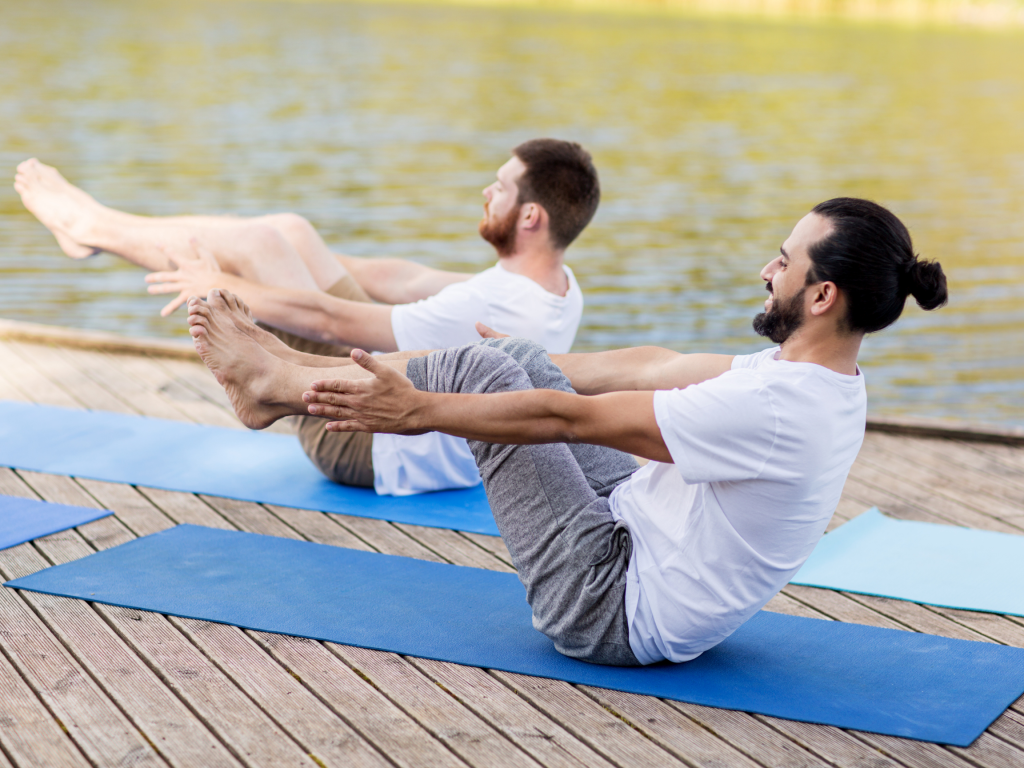
When I began my yoga journey in February of 2021, I noticed that a lot of videos on the Internet have the title “Yoga for men” and I didn’t understand the reason. I found different videos about yoga for pregnant women and for elderly, but for some odd reason I didn’t understand why those Yoga teachers wanted to creat videos exclusively for men.
It was not until Yoga became an essential part of my life and I started to share my passion to others that I understood the reason of why those videos were created to encourage men to adopt this healthy style of life.
A lot of men still see yoga as an activity exclusively for women, and some have a prejudice towards men who practice it. In a study in United States, for instance, Thind, Garcia, Velez and Tucker (2021) conducted questionnaires to 79 women and 42 men in the Hispanic community in the northeastern part of United States to know the perception of this community about Yoga.
Not surprisingly, Hispanic men were concerned that Yoga class would have predominantly women practitioners, which could decrease their motivation to attend. Hispanic men were also concerned about unrealistic “pretzel-like poses”, perhaps due to how Yoga is portrayed in the media. Overall, the images of healthy, thin and lean female models practicing Yoga could lead to the perception that Yoga benefits only women (Thing, Garcia, Velez & Tucker, 2020).
Hispanic men in United States are not the only ethnic group with resistance towards yoga. In other Western countries like England (Ding & Stamakis, 2014) Germany (Cramer, 2015) and Australia (Biddle & Vergeer, 2020) Yoga participants were more likely to be female. The reasons why men dislike the idea of practicing yoga might vary from the idea that yoga is for women only, lack of time and/or money, it looks too easy or boring or even due to religious reasons as Yoga is associated with South Indian religious beliefs (Biddle & Vergeer, 2020). Regardless of the reason, it is urgent to encourage more men to practice Yoga due to its benefits for the body and the mind.
The benefits of Yoga.
Yoga is a discipline that every year more scientific research approves its efficiency improving the general wellbeing of people who practice it. The regular practice of Yoga is associated to less alcohol consumption (Cramer, Sibbritt, Park, Adams & Lauche 2017), reduces anger and fatigue (Felver et al, 2014)(6), increases resistance to stress (Ramadoss quoted by Hodzic & Alispahic, 2021) (7), and improves cardiovascular risk factors (Cramer at al,2014) Additionally, the practice of Yoga is associated with the adoption of healthy habits such as better diet, more quality sleep, interest in other physical activities, regular meditation, etc ( Biddle et al, 2021).
Yoga also could improve core symptoms of attention deficit hyperactivity disorder (ADHD) such as inattention, hyperactivity, and impulsivity, in children and adolescents, when practiced as mind-body therapy and form of exercise. In addition, brain scans reported in a different research article, from 2018, also demonstrated that yoga asanas and meditation both reduced amygdala volume on the right-hand side of the brain, which is more associated with negative emotions and fear (Swanson, 2019).
What we can do to encourage more men to adopt this practice?
Knowing all these benefits, we cannot deny that Yoga is a style of life that more men should adopt in order to have a more meaningful life. The question is, how can we encourage more men to practice Yoga? Below are some recommendations that can be effective:
Start your journey online: During the pandemic of Covid-19 a lot of people started to practice Yoga for the first time. For men, this can be a great strategy to get familiar with the postures and create the habit of practice it regularly. This method is also useful for those men who do not have the budget to invest in weekly Yoga lessons, as there are a lot of free options online.
Learn from male Yoga teachers: There is an interesting project in the UK called boysofyoga.com created to share globally the benefits of yoga in men’s physical and mental health. In addition, as I mentioned above, Internet has thousands of male teachers that can make men more comfortable during their first Yoga sessions as a way to understand that Yoga is not a discipline exclusive for women.
Have a famous male role model: From the navy seal David Goggins to the basketball legend Shaquille O’neal. There are a lot of successful and healthy men that have yoga as part of their normal life. Gentlemen can have their famous role models as a strategy to remember that even the toughest guys practice yoga.
Final Thoughts.
As a straight man myself, I love what the practice of yoga has made for my mind and body but at the same time sometimes I feel isolated when I’m surrounded only for women in a yoga class. The recommendations that I wrote above are just a few strategies to encourage more men to incorporate the habit of do yoga in their lives as a way to have physically and mentally healthier individuals in our societies.
However, the best influence that we can make as a men is share without fear that Yoga is an important part of our lives. Something that I’ve learn in the last months with this practice, it’s that a little bit of discomfort is normal in order to discover the secrets of your body by yoga postures. Similarly, sometimes we might feel uncomfortable with some men when we share that we do yoga regularly, but that little discomfort is nothing compare it with the important contribution that we are doing to improve the general wellbeing of men around the world.
References.
Thind, H., Garcia, A., Velez, M., Tucker, .K,L,. (2021) If we offer, will they come: Perceptions of Yoga among Hispanics. Complementary Therapies in Medicine https://doi.org/10.1016/j.ctim.2020.102622
Stamakis, E., Ding, D., (2014) Yoga practice in England 1997-2008: prevalence, temporal trends, and correlates of participation. BMC Res Notes 7, 172. https://doi.org/10.1186/1756-0500-7-172
Cramer, H., Lauche, R., Haller, H., Steckhan, N., Michalsen, A., Dobos, Gustav. (2014) Effects of Yoga on cardiovascular disease risk factors: A systematic review and meta-analysis. International Journey of Cardiology 173(2) DOI 10.1016/j.ijcard.2014.02.017
Vergeer, I., Cagas, J., Biddle, S.J.H. (2020) Yoga not a (physical) culture for men? Understanding the barriers for yoga participation among men. Complementary Therapies in Clinical Practice. DOI 10.1016/j.ctcp.2020.101262
Holger, C., Sibbritt, D., Park, C.L, Adams, J., Lauche, R., (2017) Is the practice of Yoga or meditation associated with a healthy lifestyle? Results of a national cross-sectional survey of 28695 Australian women. Journal of Psychosomatic Research doi: 10.1016/j.psychores.2017.07.013
Felver, J.C., Butzer, B., Olson, K.J, Smith, I,M., Khalsa, S.B,. (2014) Yoga in Public School improves adolescent mood and affect. Contemp School Psycho. DOI 10.1007/s40688-014-0031-9
Alispahic, S., Ajla, H.K. (2021) How does yoga affect health? Yoga teachers experiences. International Scientific Journal of Kinesiology. Sports Science.
Swanson, A. (2019) Science of Yoga. Understand the autonomy and physiology to perfect your practice. Penguin Random House. Canada.
It is not unusual that some therapists recommend books, essays, even podcasts to help their patients in their process of healing. Poetry in particular, it is another powerful tool that can help people to know more about themselves and life in general.
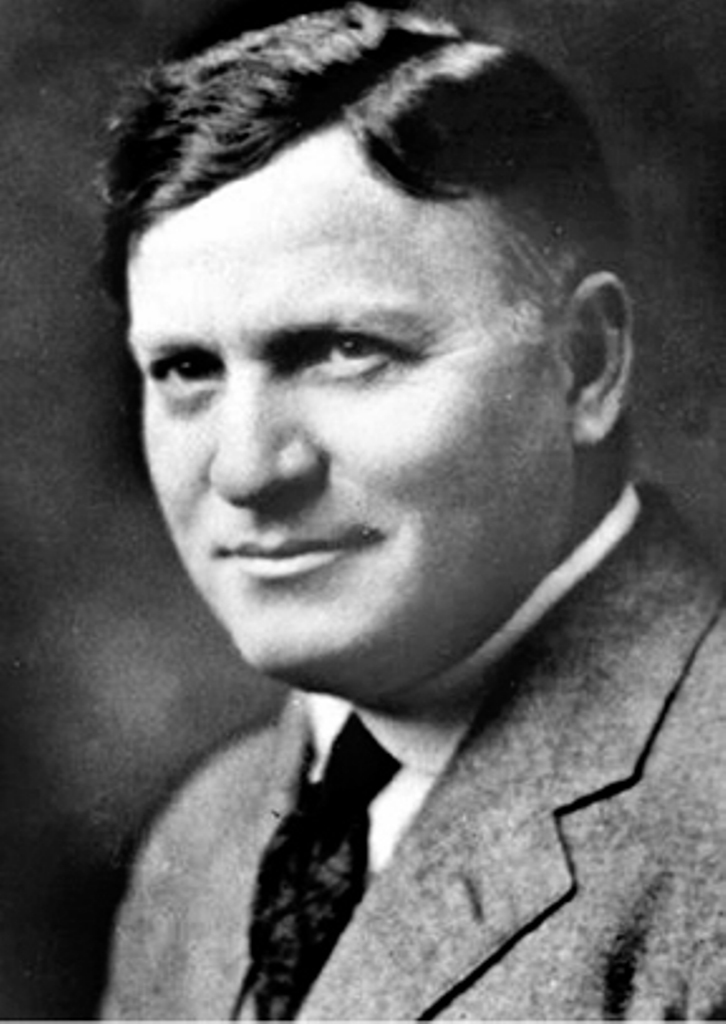
Max Ehrmann, author of “Desiderata”
“Desiderata”, which means “things desired’ is an early 1920s prose poem by the writer Max Ehrmann that can teach people about the reality of the world and also has a powerful message that can help us to live in peace with all the creatures of our environment. These are the main reasons of why you should read every day the poem “Desiderata” to improve your mental wellbeing:
You will remember to be on good terms with everyone.
The poem is a reminder that although we are divided by religion, nationalities, and languages we are in essence part of the same species originated in Africa. Therefore, we should try be in peace with every person that we find in our path without forget that we must be treated with dignity and respect as well.
Everyone has something to teach you.
There is one stanza that will remind you that you have the right to express your opinion but also that you must be intellectually brave to listen others’ point of view. Also, that you need to remember that wisdom it is not something exclusive of professors or researchers in Universities, but you can learn also from those without academic education but with a lot of experience in life.
Don’t compare yourself with others.
The constant stimuli from social media had provoked that contemporary Psychologists constantly encourage people to concentrate in their lives only. “Desiderata” will provide you a beautiful advice of how it is important to not compare your life with other humans but to focus all your attention in your aims and existence.
There is still virtuous people out there.
You will also learn in the poem that it is understandable to be cautious during your normal life, as there are a lot of malicious people who intentionally will hurt you. Nevertheless, do not generalize, because there are a lot of wonderful Sapiens making the world a better place and certainly you can join them and promote love instead of hate.
Remember, you are a child of the universe.
Think about this, you are a brilliant animal with particles in your cells that had existed for millions of years (Sundermier, 2015). The atoms of your body were made in fusion reactions in stars (McMahon, n/d). “Desiderata” will remind you everyday day that you are not so different than other animals or the trees and plants in your surroundings. The poem will be a daily reminder that you need to go outside to seek harmony with your environment, and go inside (by metidation and introspection) to find harmony with yourself.
Do not forget that it is still a beautiful world.
The final stanza will invite you to accept that there are a lot of cruelty and chaos in the world. Nonetheless, you need to be grateful, you need to enjoy the beauty of the simple things in life, because at the end, our planet is still a wonderful place in the universe.
To conclude, I invite you to read the poem, analyze it and feel whatever you need to feel. Joy, anger, sorrow, “Desiderata” is a wise poem that can provoke different emotions, enjoy them, learn from them and I hope you can make this poem a daily or at least a weekly reading so you can enjoy with intensity and wisdom the gift of life.
David Goggins is a retired Navy Seal and endurance athlete who has competed in more than sixty ultra-marathons. He is one of the best examples of antifragility and how important it is to control the power of our minds. He grew up with an alcoholic and violent father, kids at school used to write racist insults in his Spanish book, he was diagnosed with ADHD and had learning difficulties due to the toxic stress he was suffering. During his early twenties, he was a depressive overweight man with a job cleaning restaurants’ kitchens from cockroaches (Goggins, 2018).
Everything changed when Goggins watched a Discovery Channel documentary called “Class 224” about the intense training of the SEAL candidates. That documentary made him reflect about his own fears and insecurities by watching those men overcoming adversity during that extreme physical and mental training. It was in that moment that Goggins decided to be a Navy SEAL. His journey was not easy. It was full of obstacles, defeats and tragedies, but at the end he achieved his goals and conquered his fears (Rogan, 2018).
From his book”Can’t hurt me” and his appearances in different podcasts, David Goggins is inspiring people from different backgrounds and ages to callous their minds and seek the life they want. Here are some reasons of why David Goggins’ message is so powerful and what we can learn from him.
He is not affraid to share the wounds from his past.
David Goggins is not afraid to share all the awful things that he suffered during his life. Not only because those episodes helped him to calloused his mind and work harder, but also is way to show his humanity. When he shows the scars from his past, people can see that his life was not perfect, that he was not privileged and that he had to conquered his fears. Showing his humanity allows people to accept their own wounds, their own mistakes, insecurities, fears and start fighting for the life they want.
The challenges from his book will make you growth..and maybe cry.
If you get his book “Can’t hurt me”, you will find challenges after each chapter. Goggins will give you challenges that will make you feel uncomfortable and confront your inner fears. These challenges will be beneficial for you as you will accept the mistakes and defeats from your past, identify what you want to achieve and what things you need to do in order to achieve your aims.
The challenges will make you feel uncomfortable, and yes, maybe you will cry (because it is not easy to confront the painful memories from your past and the fears for your future), but that might precisely what you need to train your mind to face with efficiency and bravery the real challenges in your life.
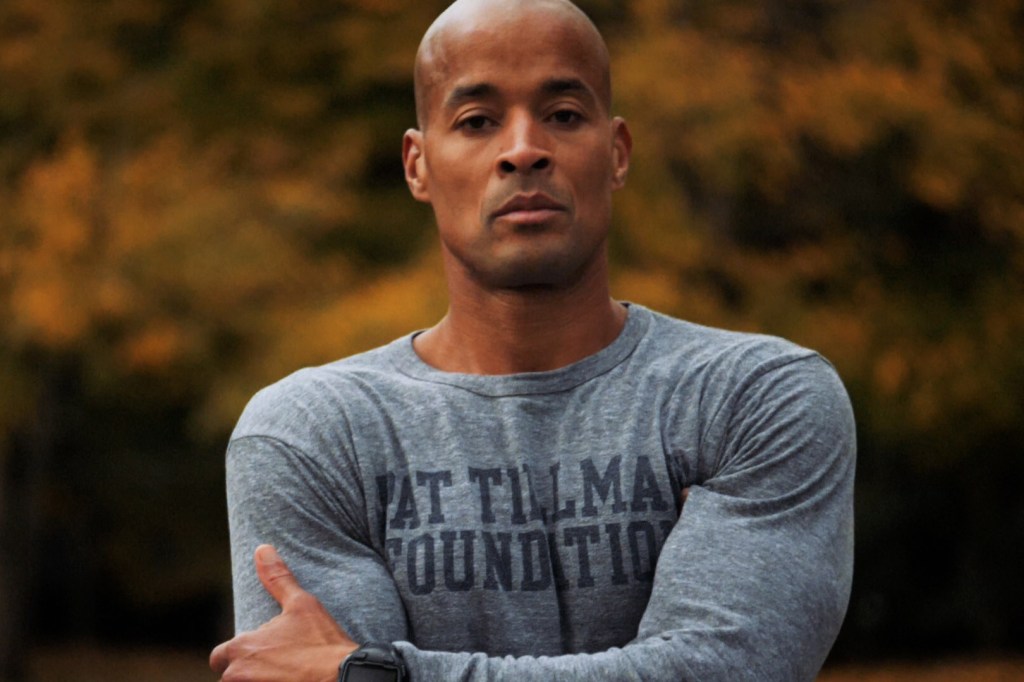
David Goggins photo by xterraphotos.
Do something that sucks every day.
Every day, you must do something that you hate that you know is good for you. Most people hate cold showers but they do it anyway because it helps their bodies and brains to feel better. Most people dislike do the dishes and clean their houses, but they do it because it is good for your health to keep your place clean and tidy.
You need to suffer a little bit with activities that you hate but are good for you so you can train your brain to keep going and do not quit when things are getting complicated in different life circumstances. The more often you get uncomfortable the stronger you will become and soon you will develop a more productive, can-do dialogue with yourself in stressful situations (Goggins, 2018).
The cookie jar, don’t forget how hard you are!
The cookie jar is a concept created by Goggins as a way to remember our past victories. This strategy is to remember the little victories from your past when you are facing challenging moments and your mind wants to quit. This is a powerful concept because you are remembering triumphs from your own life, at the end this is a personal battle.
Next time that you are training or in a sport competition, studying for a test, working in a project that you need to present to your boss and you start to feel fragile, weak and want to stop. Remember the victories from your past. It doesn’t have to be a big victory either. It can be something small, but when the pain and tiredness hits and tries to stop you short of your goal, dunk your fist in, pull out a cookie, and let it fuel you (Goggins, 2018).
Final thoughts.
There are a lot of things that I want to write about David Goggins but I think you should grab his book and start your own journey of self improvement according to his teachings. There are not magical formulas in his book. It is just pure evidence of a Homo Sapiens that grew up in a hostile environment and instead of playing the victim card, decided to accept the pain of the existence and control the most powerful tool in life, our own mind!
U.S. Navy Seal (ret.) David Goggins courtesey photos.
Goggins, D. (2018) Can’t hurt me. Lioncrest Publishing. Bolton, ON
Morning Run. Retired Navy Chief Petty Officer and former Navy SEAL David Goggins poses for a photo before his morning run, a habit he has formed over his years of training and almost never misses. [Photograph] By David Goggins courtesey photos. US Department of Defense. https://www.defense.gov/observe/photo-gallery/igphoto/2002070205/

















 Sapiens Lara