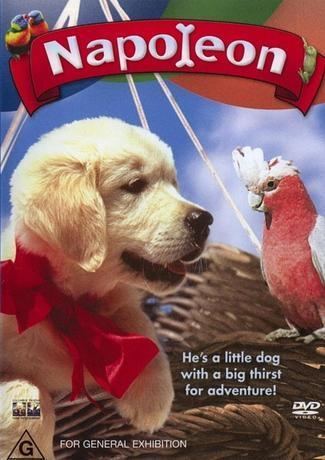
“Napoleon” is a 1995 film about a Golden Retriever who decided to escape its comfortable life in Sydney, to search dingoes in the Australian forests and become a wild dog. Although it’s a movie for kids, the plot is full of interesting allegories about human life that adults can find fascinating.
In this article, we are going to explore the wonderful message that the writers Mario Andreacchio, Michael Bourchier and Mark Saltzman gave us in the film. The article is full of spoilers, so stop reading if you want to watch the movie first. You can find the film here:
https://tubitv.com/movies/448985/napoleon
Looking for freedom and the wild ancestor.
The film begins with a golden retriever puppy named “Muffin” living with a human family and his mum in Sydney, Australia. The puppy is calling himself “Napoleon” as the French emperor due to his wishes to demonstrate that he’s strong and brave. Napoleon wants to escape his comfortable life and live with the wild dogs that he can hear howling at the distance.
The wild dogs howling is a clear allegory of Napoleon’s wild ancestors (Hunter-Gatherers for Humans). Napoleon is a domesticated dog but the howling is a reminder that in essence he is a wild dog, as most researchers in canine genetics agree that dogs are domesticated wolves. (Morris Animal Foundation, 2020). And at the same time, it’s an indirect invitation to reunite with his wild cousins.
Our life as species changed since we adopted agriculture (Harari, 2014), and for us the “howling” of our hunter-gatherer ancestors is clear when we want to go capping, running, practice collective sports, do yoga, hiking, being lazy in the beach, have passionate sex or even escape civilization and live in a cottage or build your own log in the forest.
True, not everyone wants to go and live in the mountains or jungles. However, that “howling” appears every time that our body needs a pause from our domesticated life to get back to our wilderness, to get back to nature, to our organic reality.
The mentor.

Napoleon escaped and arrived to the forest by a basket with balloons that his human family left unsupervised during a birthday party. Once in the bush, he meets a galah (pink cockatoo) named “Birdo”, who became his mentor. Birdo argues that the forest it’s not a safe place for a domestic puppy and insists that Napoleon must return home. Napoleon, following his young and stubborn temperament, decides to stay and find the wild dogs.
He convinces Birdo to teach him the basic things to survive in the wild. The bird tries to teach him to hunt his prey but Napoleon fails as he doesn’t accept the reality that he needs to kill another creature in order to survive. At the end, the puppy ends eating moss from a rock becoming a type of “vegan” dog.
Birdo is a clear symbol of the different people that we meet in our life teaching us something. Could be your parents, a teacher, a counselor, a sport coach, martial arts sensei or a person from the internet. In addition, the interaction between this feathered mentor and his furry protégé teach us another important lesson about this type of relationship.
In one scene, Birdo disagrees with Napoleon’s intentions to continue his search for the wild dogs. “You don’t understand. You’re a bird, I’m a dog, this is a dogs thing” said Napoleon. The scene concludes with Napoleon saying good bye to Birdo and continue his path in solitude.
The message from this scene is to accept that at one point in our life, we’re going to conclude our relationship with our mentors. And that is a completely natural situation in the life of any human. Maybe you disagree with your mentors about different things and you don’t think they will help you more in your projects. Be grateful, let them go and follow your path.
Facing your fears.
While Napoleon is resting between some bushes , a torrential rainstorm arrives. Napoleon runs for sheltered and found two dingo pups inside a cave. The dogs start barking at him as they think he is a predator.

Napoleon emphasizes that he won’t hurt them. Suddenly, the water floods the cave and sweep one of the pups away. The other dingo is not strong enough to rescue its sister, so Napoleon doesn’t have a choice but to dives in and rescue her. After some dramatic moments, he rescued the pup and the storm ends. Then, Napoleon sees a big dog in the entrance of the cave, “That’s our mum!” one of the dogs said, Napoleon found a wonderful surprise, finally he has found the wild dogs!
There are different circumstances in life when you need to face your fears. I know, it sounds cliché, but it’s true. Hopefully, you will not be in a situation like Napoleon’s where you need to save another creature. However, everyday there are things in life that you know are good for you but you’re afraid to do. Fear will be there, it’s a natural response from our bodies but you need to remember that you are a strong ape, capable to do incredible things. So, feel the fear and do it anyway! (Jeffers, 2012).
The deep analysis.
The dingo mother agrees to let him live with them, as a way of reward for saving her cubs. One morning, the mother and Napoleon went out for a walk. She starts asking about his life , his mother and why he ran away from home. He answers that he wanted to become wild, so he can be very brave and fearless. The Dingo wisely responds:
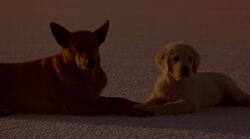
“But, you have been that all along. You couldn’t had come this far without being fearless. And it was your bravery that saved Cid and Nancy. In your heart, you have been a wild dog all along, Napoleon”
Due to our domesticated life, we forget how hard and strong we are. Our hunter-gatherer ancestors resisted and faced different dangers and survived. Just as wild dogs live in Napoleon’s heart, humans need to remember that we are strong primates, descendants of vigorous and brave hunter-gatherers ancestors.
Napoleon, accepted his wild essence and discovered his inner power. He understood that he was brave and strong due to facing his fears and helping others. After the conversation with the Dingo, he decided to return home.
Returning to “the mother”.
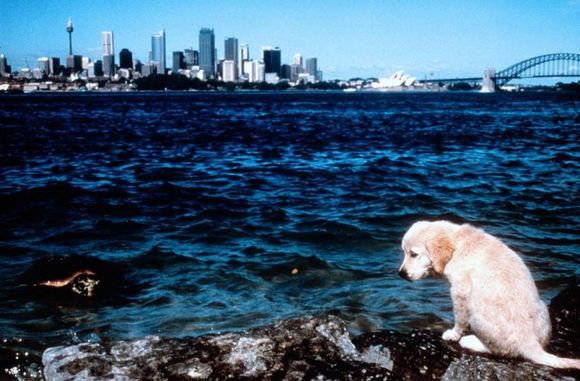
Napoleon reached the coast by the help of a kangaroo, acquaintance of the dingo mother. Once there, Birdo reappears with a sea turtle who takes Napoleon back to Sydney. He reencounter his mother whom consents to calling him Napoleon instead of Muffin, as a way to recognize that her puppy is an adult.
The symbolism that I found here is not only to remember that it doesn’t matter how old you are, if you still have your parents, it’s completely benign to find guidance from them when things in your life are not good. But also, it’s a way to remember that we are organic creatures and we can accept our animal reality and return to mother nature every time that we are exhausted from civilization.
Returning to mother nature means that if you are feeling exhausted from your work or study, stop, and have a good sleep. If you are eating a lot of junk food, stop, and have fruits and veggies. If you are drinking a lot of soft drinks, stop, and have more water. If you’re feeling drained, stop, and do some meditation. If you’re feeling lonely, talk with people you love. Remember, you’re part of the nature, before go outside to “hug trees” start with taking care of yourself!
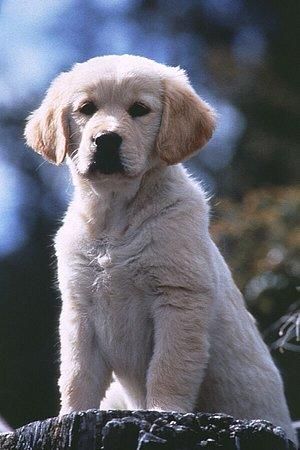
When Napoleon was returning to the coast after his encounter with the dingoes, he adopted a new title “Napoleon, the wild house pet” , as a way to accept that he is domesticated but he is still capable to be wild. For humans, returning to the mother means that you can continue living in the civilized world but you have the capacity to reconnect with your animal reality when you need a break.
A great movie for kids and adults!
To conclude, “Napoleon” is a great film to show kids the beauty of the Australian fauna and parents can explain to their children the messages from Napoleon’s adventure and how these are related to our life as a humans. Without mention that the scenery of Australian landscapes make this movie extremely enjoyable to watch.
References.
Andreacchio, M (Director) (1995) Napoleon [Film] Roger Dowling.
Harari, Y. N. (2014) Sapiens. A brief history of humankind. Penguin Random House.
Jeffers, S. (2012) Feel the fear and do it anyway. Vermillon.
Moris Animal Foundation (March 19,2020). From wolves to pugs & great Danes- The evolution of Man’s best friend. [Online] https://www.morrisanimalfoundation.org/article/evolution-of-dogs
 Sapiens Lara
One thought on “A puppy looking for dingoes in Australia. How a movie for kids can teach adults a valuable lesson.”